meetings
Don’t Send Those AI Meeting Notes Yet: Four Piles, Three Gates, and Every Decision Gets an Owner
AI meeting notes look polished — and that is exactly the risk. Before you forward them, sort the discussion into decisions, actions, and open questions, then make sure every decision has an owner.
AI meeting notes look polished — and that is exactly the risk. Before you forward them, sort the discussion into decisions, actions, and open questions, then make sure every decision has an owner.
I’m currently juggling three small cross-functional projects. From Monday through Thursday, I am either in a meeting or rushing to the next one. In my role, meeting notes aren’t just documentation—they are an early warning system for whether a project is about to fall apart.
I used to love AI meeting summaries without reservation. I’d drop the recording in, step away to refill my water, and come back to a neat, organized summary: background, highlights, next steps. In that room, its greatest virtue was looking polished.
Until one day, I came seconds away from forwarding an AI-generated recap straight to the project group. My finger was hovering over "Send" when one line caught my eye: "All parties will push forward as soon as possible and sync results later."
I pulled up the original recording and listened back. What was actually said was: "Maybe take another look at this proposal, and Product and Ops can connect on it later."
One was an uncommitted thought; the other looked like an assigned task. The only thing separating them was a thin layer of AI polish.
Anyone who has run projects knows how expensive that line can be. If you build your schedule around "assigned," Product and Ops will look at you with blank stares during next week's sync—when no one owns a task, the project schedule will hold it against me. The cleaner the document looks, the less people question it; when nobody questions it, the milestone that ultimately slips is mine.
Now, whenever I get a transcript, my first move is not asking AI to "write the notes." It's breaking down what was said.
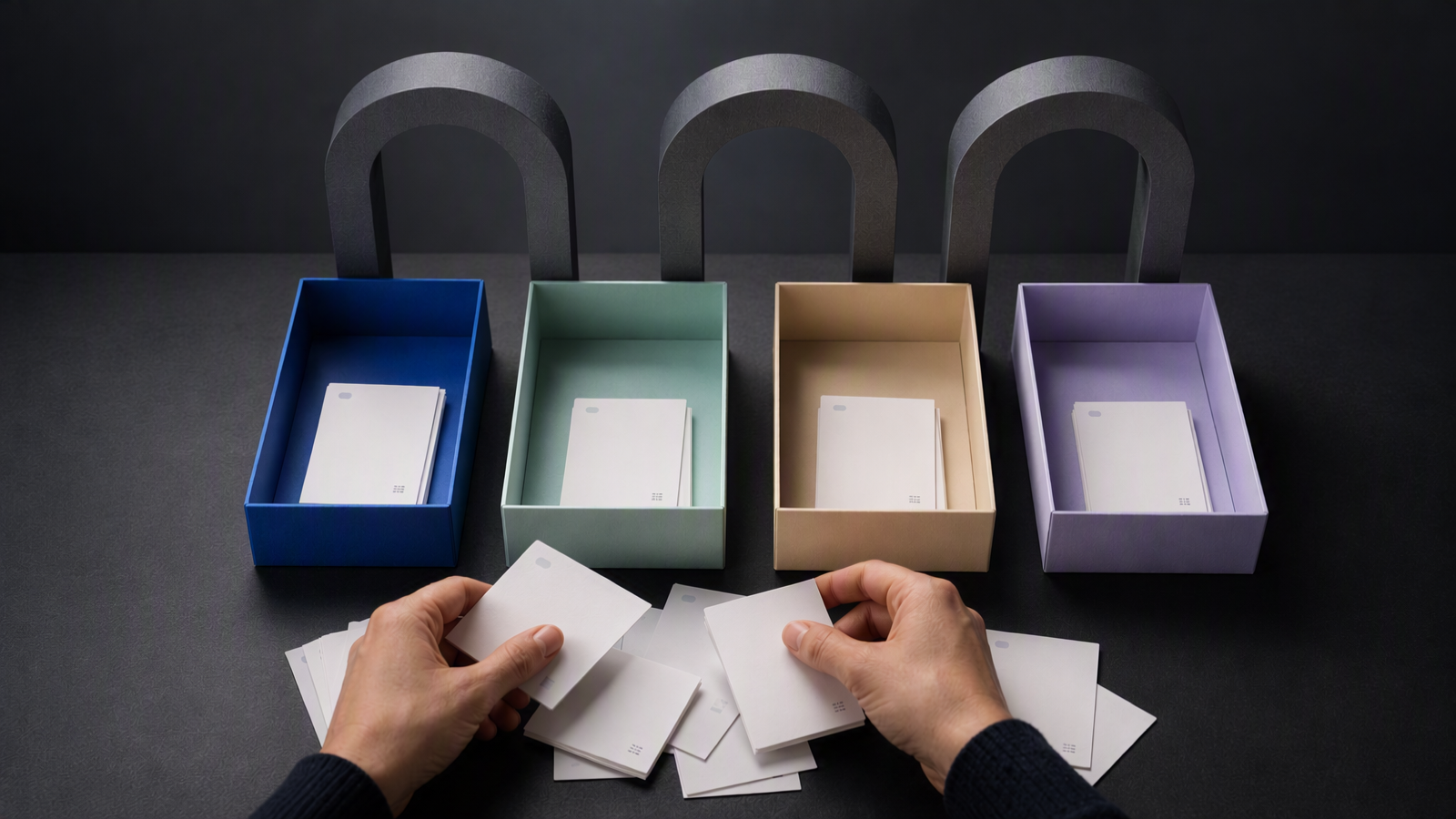
Before Writing the Notes, Sort Everything into Four Piles
Here is the exact prompt I give AI:
Do not rush to generate formal meeting notes. Based strictly on verbatim statements, sort the content into four categories: Discussed Ideas, Confirmed Decisions, Action Items, and Open Questions. If something was not explicitly stated, mark it as "Pending Confirmation"—do not fill in answers for anyone.
"Maybe give it a try" goes into Discussed Ideas; "Hold off on shipping this week" qualifies as a Confirmed Decision; "Li to deliver a revised timeline by Wednesday" is an Action Item; and if it wasn't nailed down who would reply to the client, it stays strictly in Open Questions.
To a project manager, these four piles represent four completely different pieces of ground: Discussed Ideas are undeveloped land—just hear them out; Confirmed Decisions are boundaries—changing them requires going through approval again; Action Items are active work sites—if no one is working, you have an incident; Open Questions are minefields—sooner or later, you have to go back and clear them.
The biggest danger in a meeting is never missing a piece of throwaway chatter. It’s quietly nailing a floating idea onto someone's to-do list.
Real Action Items Must Pass Three Gates
I used to get a false sense of security when I saw AI list out a long string of action items: Great, we got a lot done today.
Now, I put every single one through three gates:
- Who owns it: Can it be assigned to a specific named person, rather than "everyone" or "the relevant team"?
- What needs doing: When someone reads it, can they act immediately without having to guess a second time?
- When they report back: Is there a clear checkpoint date to verify progress?
If an item fails even one gate, it does not go onto the task tracker.
Take "Optimize the homepage experience." It sounds like legitimate work, but who owns it, what changes, and when it's due are completely missing. It doesn't deserve to be called an action item; at best, it's a wish in a suit.
When you see that, don't let AI guess. Highlight it in red and ask the room directly: "Who owns this? What is the scope of the change? When will I have a reviewable version?"
AI is great at fishing topics out of a recording; nailing things down takes the people in the room.
Keep the Audio and the Transcript; Summaries Are Just Screenshots
Another habit I built only after getting burned: you can send out AI summaries, but don't delete the raw recording or transcript.
A summary is like a screenshot of the meeting—fast to scan. The raw record is the full replay. When someone inevitably claims, "That's not what I meant," or task context suddenly doesn't add up, you have the tape to go back to. When project disputes happen, the verbatim words are my receipts.
Before hitting record, be clear about why you're doing it. When dealing with clients, confidential projects, or unreleased discussions, don't turn someone else into a source of anxiety just to save a few minutes of note-taking.
Now, after every meeting, I would rather spend two extra minutes confronting vague statements face-to-face. The next day, seeing someone reply in chat with "I'll take this one" gives me more peace of mind than any polished summary ever could.
AI can organize a meeting flawlessly. But what truly moves a project forward will always be a commitment owned by a real person—a meeting doesn't end when people leave the room; it only begins when someone picks up the work.